San Francisco renter protections
San Francisco Rent Control: 2026 Rules and Coverage
San Francisco rent control limits how quickly rent can rise during an existing tenancy in many older rentals. It does not freeze rent, apply to every home, or set the asking rent for a new tenant. For locally covered units, the ordinary annual increase is 1.6% for increases effective March 1, 2026 through February 28, 2027, generally no more than once in 12 months.
Local price control, local just cause, and California AB 1482 have different coverage. A unit can be outside the local rent cap and still have eviction or state rent protection.
Official sources last checked July 28, 2026. Plain-English orientation only, not legal advice. A building record or listing label alone cannot settle coverage.
Start with coverage
Which rent-increase limit applies?
Start by checking whether the home has San Francisco price control. The local and state percentages below are alternative paths—they are not added together.
Check local price-control coverage
Usual first screen: first certificate of occupancy on or before June 13, 1979
This date is a starting point, not a final answer. Property type, earlier residential use, every unit on the lot and special programs can change coverage.
If SF price control applies
Local cap: 1.6%
This is the ordinary annual increase for March 1, 2026 through February 28, 2027, generally once in 12 months. Banked or separately approved amounts can change a notice.
If SF price control does not apply
Check California AB 1482
6.3%
Increases effective August 1, 2025–July 31, 2026
8.8%
Increases effective August 1, 2026–July 31, 2027
State coverage is not automatic. AB 1482 has its own rolling age rule, ownership and notice requirements, and exemptions.
Security deposits are a separate set of rules
How much can be collected
Usually one month’s rent
A narrow qualifying-small-landlord exception can allow up to two months, except for a prospective tenant who is a service member.
What is owed after it is held
4.2% simple interest
San Francisco generally requires annual interest after the deposit has been held for at least one year. This rate applies March 1, 2026–February 28, 2027.
Sources: Rent Board current rates (opens in a new tab), California rent-cap chart (opens in a new tab), and San Francisco deposit guidance (opens in a new tab).
Three separate questions
What does San Francisco rent control actually cover?
“Rent control” is often shorthand for rules with different coverage. Local price control limits increases during a continuing tenancy. Local just cause requires a recognized reason to end most covered tenancies. California AB 1482 can add a state rent cap or just-cause protection when local price control does not apply.
The local price-cap screen usually starts with the unit’s first certificate of occupancy, not a listing’s year built. Units first certified on or before June 13, 1979 are the usual starting point. Post-1979 units, many separately alienable single-family homes and condos, certified substantially rehabilitated units, and some regulated housing follow different rules.
Local just-cause protection is broader and reaches most private rentals, including many single-family homes, condos and post-1979 units. “Not locally price-controlled” does not mean “unprotected.”
San Francisco also generally allows vacancy decontrol. After a genuine voluntary vacancy, a landlord can usually set a new starting rent. Rules that limit later increases may then apply to the new base rent.
Sources: San Francisco Rent Ordinance (opens in a new tab), city eviction guidance (opens in a new tab), and California’s Costa-Hawkins law (opens in a new tab).
A cautious first screen
Could your unit be covered?
Use two facts to get a more useful starting point, then keep three separate results. This tool deliberately does not output a final legal classification.
San Francisco price control
The available facts are not enough for a useful local price-control screen.
San Francisco just cause
Most private rentals have local eviction protection, including many condos, single-family homes and post-1979 units. Exceptions remain.
California AB 1482
A state cap may fill a local price-control gap. Check the rolling 15-year age rule, ownership, exemption notice and other state exceptions.
This screen never classifies a unit definitively. A first certificate, the full lot and unit history, ownership, notices and special programs can change the result.
Address verification
How to verify a San Francisco address
Work through the public records, then take unclear facts to a human. Property type, all units on the lot, an accessory or replacement unit, substantial rehabilitation, or a regulatory agreement can change the result.
Step 1
Check the Rent Board Portal
Review the residential property and unit record. For an annual or banked increase, also look for the unit’s Rent Increase License.
Open the Rent Board Portal (opens in a new tab)Step 2
Check the Property Information Map
Review assessor, permit and planning records for the first certificate of occupancy, earlier residential use, unit count and alterations.
Open the Property Information Map (opens in a new tab)Step 3
Compare the lease and notices
Keep any AB 1482 exemption notice, rent-increase notice, prior rent history and documents describing the unit or ownership.
Step 4
Take unclear facts to the Rent Board
Call 415-252-4600 with the address, unit number, documents and the effective date of any notice.
Contact the San Francisco Rent Board (opens in a new tab)
Checklist progress is saved only in this browser. The records provide evidence; they do not automatically decide legal coverage.
0 of 4 verification steps complete.
Rates, timing and licenses
How do rent increases work in 2026?
For a locally covered unit, the ordinary 1.6% increase applies to base rent and is tied to the increase’s effective date. It is not an automatic March 1 reset. A landlord generally may use it no earlier than 12 months after the tenancy began or the last annual increase.
For example, 1.6% of a $3,000 lawful base rent is $48, making the new base rent $3,048 before a lawful banked or separately authorized amount. The percentage does not apply to a deposit or separate bill.
Banked increases
An unused annual increase can become banked after the required 12 months and may be imposed on or after a later anniversary. Percentages are not compounded; the notice should identify the amount and years.
Approved charges
Certified capital improvements, approved operating-and-maintenance costs, utilities and eligible bond costs use separate calculation, approval, notice, duration and hardship rules. Ordinary repairs cannot simply be added.
Rent Increase License
The owner must hold the unit’s license when an annual or banked increase takes effect. An increase effective while unlicensed is null and void; later compliance requires a new properly noticed prospective increase and does not permit retroactive collection of the void amount.
If an increase still looks wrong
- Save the complete notice, envelope, lease and rent-payment history.
- Confirm which local or state rule may cover the unit and which period includes the effective date.
- Recalculate each annual, banked, petition-based and passthrough component from the lawful base rent.
- Check the license in the Portal and request any cited decision or worksheet.
- Call the Rent Board before withholding rent or missing a deadline. The Rent Board Forms Center (opens in a new tab) lists the current tenant petition and Form 516C, which can allege an unlawful local increase or request a lawful-rent determination.
Sources: Rent Board increase guidance (opens in a new tab), license lookup (opens in a new tab), Rent Board license rule (opens in a new tab), and California notice law (opens in a new tab).
Do not stop at exempt
What if the local price cap does not apply?
Local protection
San Francisco just cause
Most private rentals have local eviction protection, including many condos, single-family homes and post-1979 units. A landlord generally must use a recognized at-fault or no-fault ground and follow the required process.
Possible state rent cap
California AB 1482
For a covered San Francisco-area unit, the cap is 6.3% for increases effective August 1, 2025-July 31, 2026 and 8.8% for increases effective August 1, 2026-July 31, 2027. State exemptions include newer housing and qualifying separately alienable homes or owner-occupied duplexes.
Sources: California Attorney General (opens in a new tab), Civil Code Section 1947.12 (opens in a new tab), and San Francisco’s AB 1482 explainer (opens in a new tab).
Deadline-sensitive help
What should you do if an eviction notice looks wrong?
Do not ignore a landlord notice or court papers. They are different stages with different deadlines.
A landlord’s eviction notice
This is a written warning or termination notice, not a court form. The deadline depends on the ground. A landlord cannot lawfully lock you out, remove belongings or shut off utilities simply because that date passes.
A Summons and Complaint
These mean an unlawful-detainer case has been filed. If you were personally served, you generally have 10 court days, starting the next day and excluding weekends and court holidays, to respond. A different service method can change the deadline.
If court papers arrive, follow the San Francisco eviction help page (opens in a new tab) and call the Eviction Defense Collaborative immediately at 415-659-9184 for free San Francisco help. Use the California Courts response guide (opens in a new tab) to understand the process. For general Rent Ordinance questions, call the Rent Board at 415-252-4600.
Two different schedules
Who receives relocation payments?
Do not apply the standard local no-fault amount to an Ellis Act withdrawal. Eligibility, timing, age thresholds and add-ons differ.
Many Section 37.9C notices
$8,245 per eligible tenant
For notices served March 1, 2026-February 28, 2027.
- Authorized occupant who lived in the unit at least 12 months.
- $24,733 unit cap; half with the notice and half on vacating.
- $5,497 for each eligible tenant age 60+ or disabled, plus once per household with an eligible tenant and a child under 18.
- For the add-on, half is due within 15 calendar days after the landlord receives the written claim and supporting evidence; the rest is due on vacating.
- Owner/relative move-in, demolition/permanent removal, qualifying capital work and substantial rehabilitation can use this schedule.
Ellis Act withdrawal
$11,110.05 per eligible occupant
For notices served March 1, 2026-February 28, 2027.
- Every authorized occupant is eligible for the base payment; no 12-month condition.
- $33,330.13 unit cap; half with the notice and half on vacating.
- $7,443.90 for an eligible occupant age 62+ or disabled; no child-household add-on.
- For the add-on, half is due within 15 calendar days after the landlord receives the written claim; the rest is due on vacating.
- The separate one-year residency and 60-day notice rules govern a possible one-year withdrawal-date extension, not payment eligibility.
These are the two main schedules described here, not every possible displacement payment. Section 37.9C covers only the specified owner/relative move-in, demolition or permanent removal, capital-work and substantial-rehabilitation grounds; short or extended temporary displacement can use other rules.
For an owner/relative move-in, the notice must name the person who in good faith intends to use the unit as a principal residence for at least 36 continuous months. Failure to move in within three months after recovery, or to remain for 36 continuous months, can be evidence of a lack of good faith.
Sources: current relocation rates (opens in a new tab), Section 37.9C (opens in a new tab), owner-move-in rules (opens in a new tab), and Rent Board Ellis packet (opens in a new tab).
Move-in money
How much can a security deposit be?
For security demanded or collected on or after July 1, 2024, California generally limits the deposit to one month’s rent, in addition to first month’s rent.
A landlord can charge up to two months only if the landlord is a natural person, a qualifying family trust, or an LLC whose members are all natural persons, and owns no more than two residential rental properties that together contain no more than four units offered for rent. The exception does not apply when the prospective tenant is a service member. Pet, cleaning and last-month charges count toward the cap when they meet the legal definition of security.
San Francisco generally requires simple interest on residential deposits held at least one year, including many units outside the local rent cap. The rate is 4.2% for March 1, 2026-February 28, 2027. Government-assisted or subsidized rentals are excluded from the local interest requirement.
Sources: California Civil Code Section 1950.5 (opens in a new tab) and Rent Board deposit guidance (opens in a new tab).
Current-law note
What changed in San Francisco in 2026?
In February 2026, Ordinance 3-26 added a 17th local just cause for a permitted redevelopment requiring residential demolition, with project and timing conditions. It also added relocation and replacement-housing rules for qualifying redevelopment. Effective February 8, 2026, it also added monthly relocation help for eligible lower-income tenants required to leave temporarily for capital-improvement or rehabilitation work for more than 90 days when the notice was served on or after that date. It also changed buyout, Ellis, owner-move-in and harassment procedures, but did not create the 1.6% rate or broadly expand local price control.
Sources: official 2026 amendment list (opens in a new tab) and Ordinance 3-26 (opens in a new tab).
Vacancy decontrol and the market
Why current asking rent still matters
Vacancy decontrol explains why a newly listed apartment can ask far more than a long-term tenant pays in a similar building. Asking-rent data does not prove coverage; use it to set a range, then verify the building before you apply.
Fairway tracked inventory
What active rentals are asking
Latest unit update Jul 29, 2026
Median asking rent · All
$4,078
4,606 active units across 1,628 properties
Rentals available now in San Francisco
Live listings with a Fairway data quality score above 80.
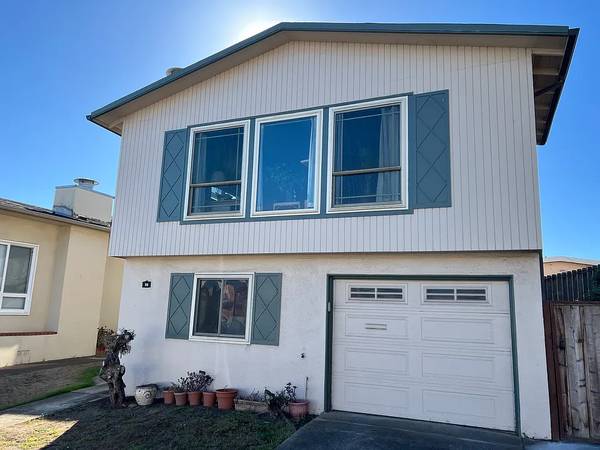
3BR/2BA Apartment on Westbrook Ave · San Francisco
San Francisco, CA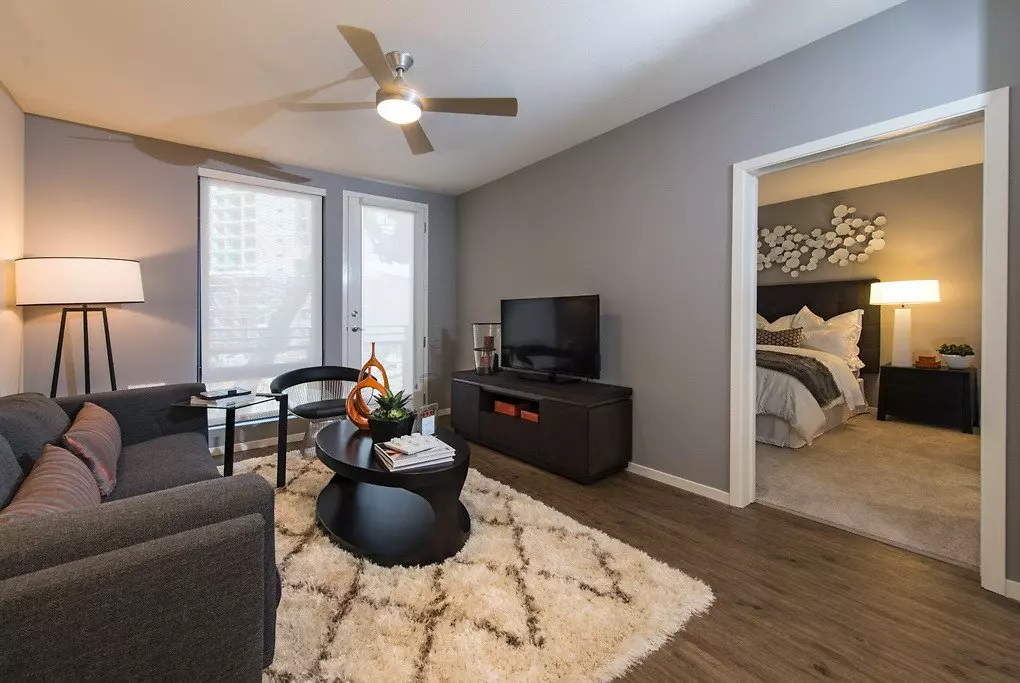
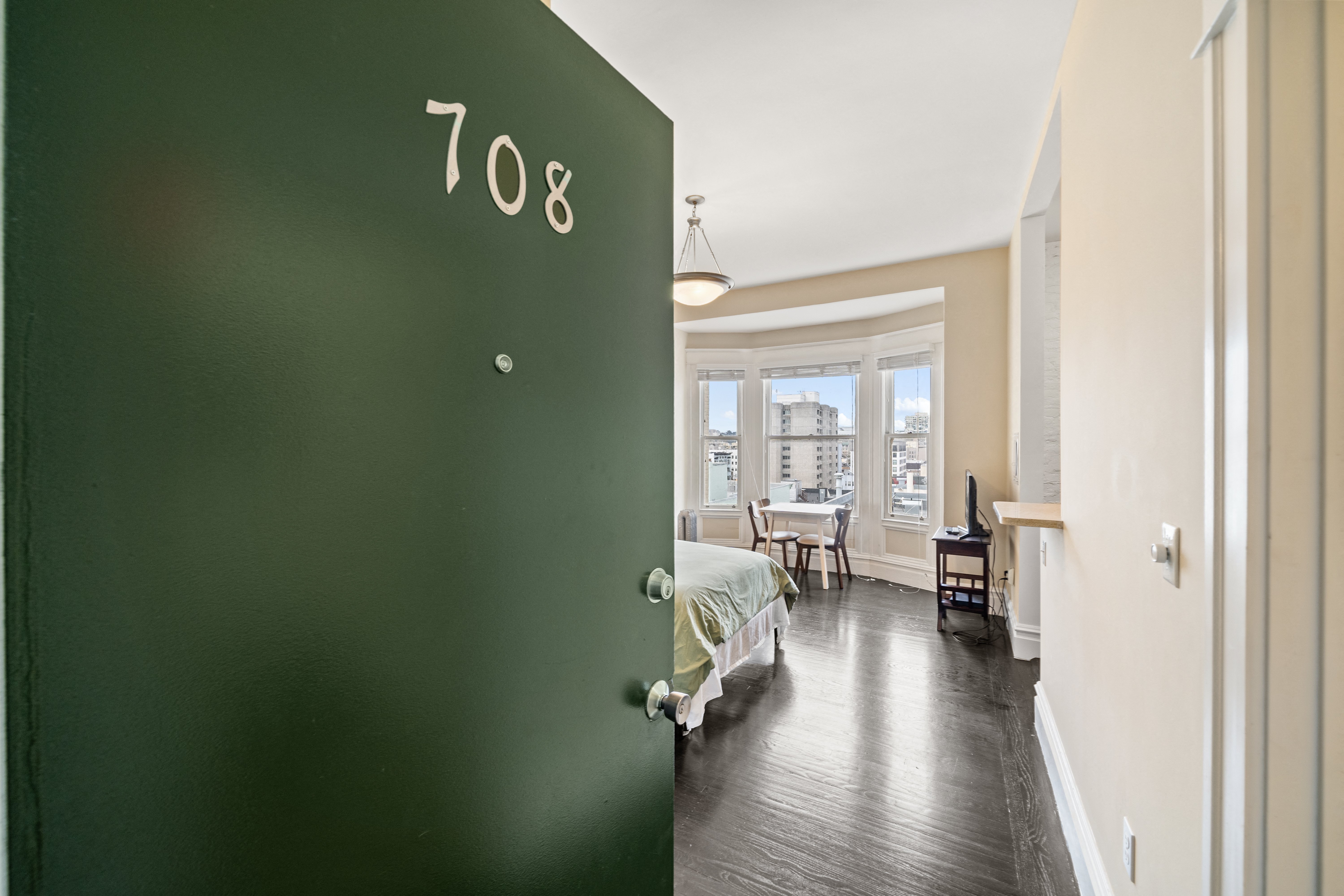
A landlord can often reset to a market rent after a genuine voluntary vacancy, so today's asking rents may sit above a covered tenant's capped rent.
Browse San Francisco rentals →Active units tracked by Fairway, updated in the last 45 days. Discounted asking rent is used when available; otherwise base asking rent. These are asking rents, not signed-lease rents, and the sample is Fairway's tracked inventory rather than every rental in San Francisco.
Common follow-ups
Frequently asked questions
Is every San Francisco apartment rent-controlled?
No. The local price cap usually turns on the first certificate of occupancy and unit type, with several exceptions. Local just-cause rules are broader, and AB 1482 can cover some units outside the local cap.
Can a San Francisco landlord raise rent by more than 1.6% in 2026?
Sometimes. A lawful notice can combine the ordinary annual amount with banked increases or separately authorized petition-based increases and passthroughs. Each component, the license, timing and notice still need to be valid.
Are San Francisco condos rent-controlled?
Many separately alienable condos are exempt from the local price cap, but ownership, tenancy and notice history matter. Local just cause or AB 1482 may still apply.
Does rent control reset when a tenant moves out?
San Francisco generally allows vacancy decontrol after a genuine voluntary vacancy, so the landlord can set a new starting rent. Later increases for the new tenancy may be limited if the unit is covered.
How can I find out whether my address is covered?
Check both the Rent Board Portal and the Property Information Map, then compare them with the lease, exemption notices and occupancy records. Ask the Rent Board when records are incomplete or conflict.
Where should I get help with an eviction notice?
Call the Rent Board for general ordinance questions. If you receive a court Summons and Complaint, contact the Eviction Defense Collaborative immediately at 415-659-9184.
Show the work
Official sources and update method
Fairway last checked the official sources on July 28, 2026. We use the current Rent Board rate sheet and guidance, the codified San Francisco Administrative Code, California statutes and Attorney General guidance, California Courts instructions, and the city’s property tools. No attorney review is implied.
Time-sensitive figures should be rechecked before March 1, before the August 1 AB 1482 period change, and whenever the Rent Ordinance or official guidance changes. Confirm your address, notice, effective date and deadlines before acting.